

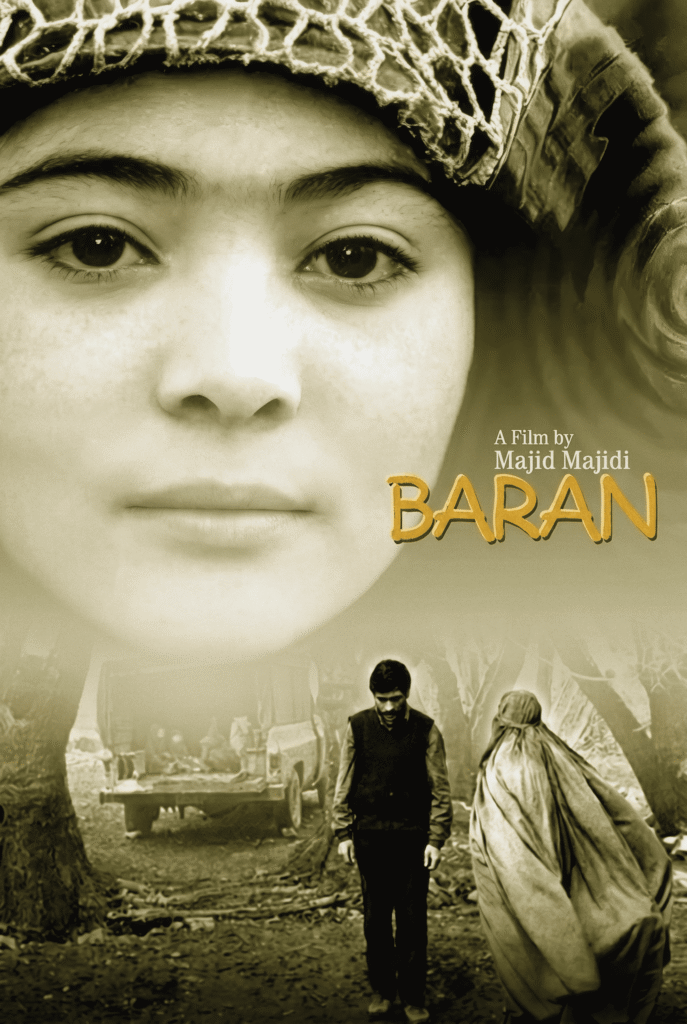
Original title: Baran
Based on: Original screenplay by Majid Majidi
Director: Majid Majidi
Screenplay: Majid Majidi
Cinematography: Mohammad Davudi
Music: Ahmad Pezhman
Cast: Hossein Abedini, Zahra Bahrami, Hossein Rahimi, Hossein Mahjoub, Gholam Ali Bakhshi, Pasha Barabadi, Mahmoud Behraznia, Reza Naji, Behrouz Majd
Filming locations: Tehran, Iran
Subtitles: English (EN), Romanian (RO)
Synopsis and Main Themes: Lateef, a seventeen-year-old Iranian boy working on a Tehran construction site, resents the Afghan refugees employed alongside him — until an injury forces one worker’s family to send his daughter Baran disguised as a boy to take his place. When Lateef discovers the truth, a silent, one-sided love begins to take shape — one he can never declare and she can never acknowledge. The film explores the quiet dignity of the dispossessed, the selflessness of love that asks nothing in return, and the humanity that survives beneath political and social division.
About the Director and Cinematic Style: Baran finds Majidi at his most restrained and lyrical. The love story is told almost entirely without dialogue between its two protagonists — through glances, gestures, and the patient observation of daily labor. Working again with cinematographer Mohammad Davudi, Majidi transforms a Tehran construction site into a landscape of mud, rain, and muted light that carries the full emotional weight of the narrative. The result is cinema closer to poetry than drama.
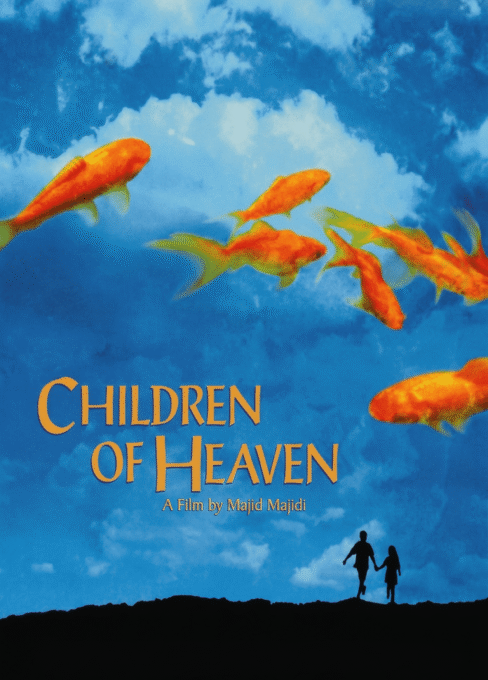
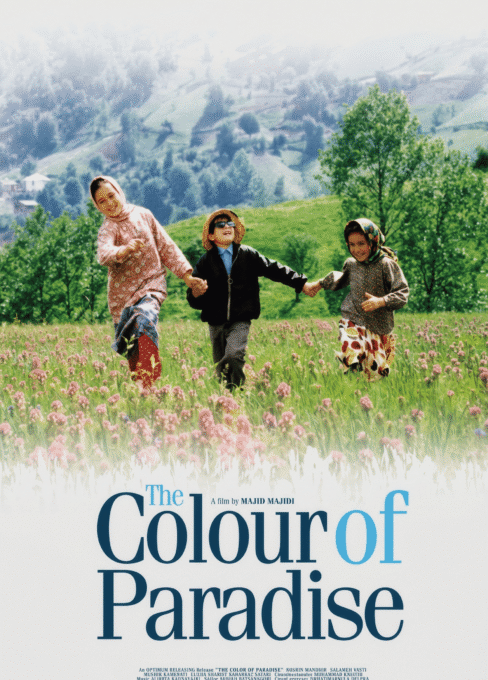
Critical Reception and Impact: Baran won the Best Picture award at the 25th Montreal World Film Festival in 2001 — the third consecutive Majidi film to claim that prize, after Children of Heaven and The Color of Paradise. It was also Iran’s official submission for Best Foreign Language Film at the Academy Awards. Critics praised the film’s restraint and the wordless performance of Zahra Bahrami, noting that Majidi had achieved a political film that never announces itself as such.
Historical Context and Cinematic Legacy: Baran was made in the immediate shadow of the Taliban’s rule in Afghanistan and the massive wave of Afghan refugees it had driven into Iran — a crisis largely invisible to Western audiences at the time. By centering his story on this community with tenderness rather than polemic, Majidi achieved something rare: a political film that never announces itself as such. Released just months before the September 11 attacks transformed global attention toward Afghanistan, the film acquired an additional layer of historical resonance it could not have anticipated. It stands as one of the most delicate treatments of displacement and longing in Iranian cinema — and one of the purest expressions of Majidi’s belief that love, even unrequited and unspoken, is itself an act of moral courage. Its influence is felt in subsequent Iranian films that approach the refugee experience through intimate human stories rather than ideological argument.
You cannot copy content of this page

It's free. No subscription required
Comments (0)
Please login to comment.
Please login to review.