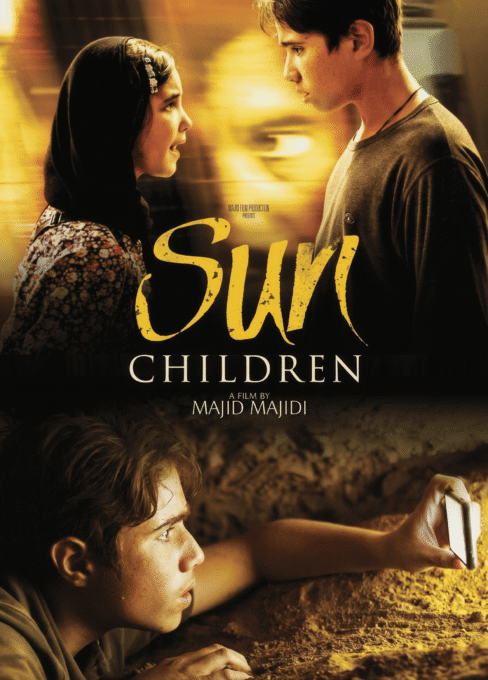
Synopsis and Main Themes: Ali, a twelve-year-old street boy in Tehran, leads a small gang of children surviving through petty crime and odd jobs. When a criminal assigns him a mission involving a school — a front for retrieving buried treasure — Ali enrolls his friends, and the institution begins to transform them all unexpectedly. The film explores childhood resilience in the face of poverty and neglect, the redemptive power of education, and the tension between survival instinct and the longing for a dignified life.
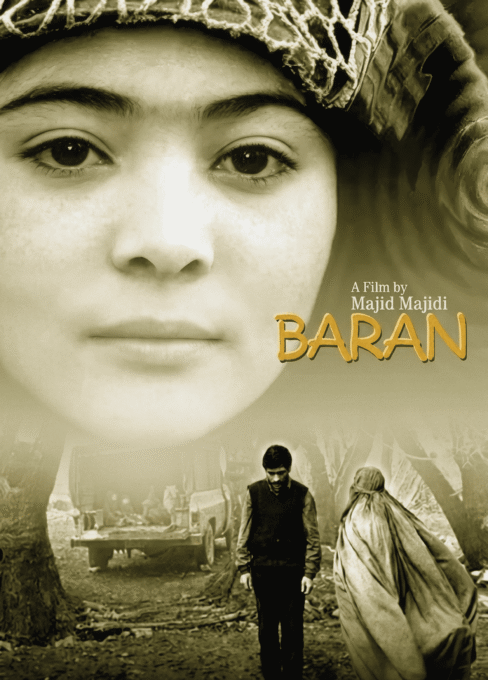
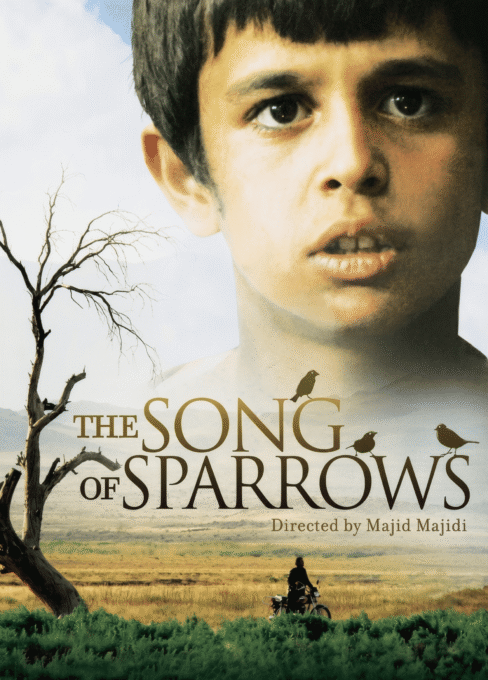
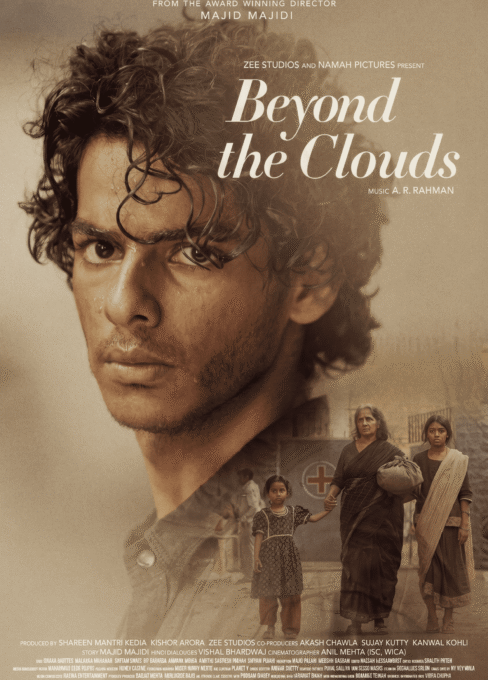
About the Director and Cinematic Style: Majid Majidi, one of Iran's most internationally acclaimed directors, built his reputation on films centered on children navigating hardship with quiet dignity. In Sun Children, he returns to this territory with urgent documentary-like realism — handheld cameras, non-professional child actors, and Tehran's margins rendered with unsparing authenticity. The result is cinema that observes without sentimentalizing.
Critical Reception and Impact: Sun Children was Iran's official submission for the Academy Award for Best International Feature Film at the 93rd Oscars. It received strong critical praise for the naturalistic performance of its young lead, Rouhollah Zamani, and for Majidi's disciplined restraint. The film won the Marcello Mastroianni Award at the Venice Film Festival for best emerging actor.
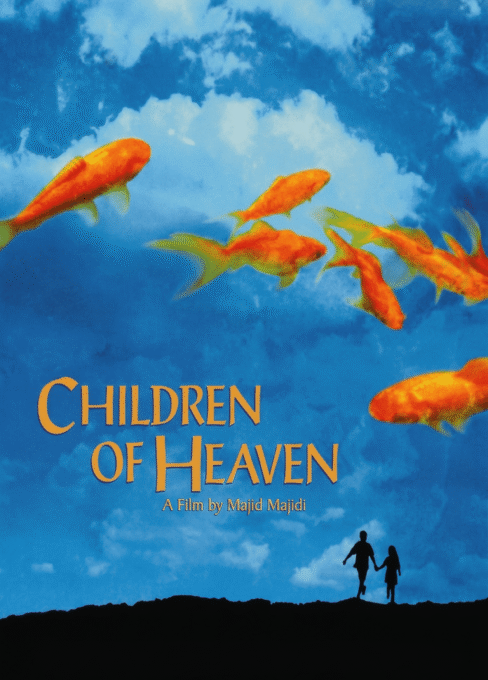
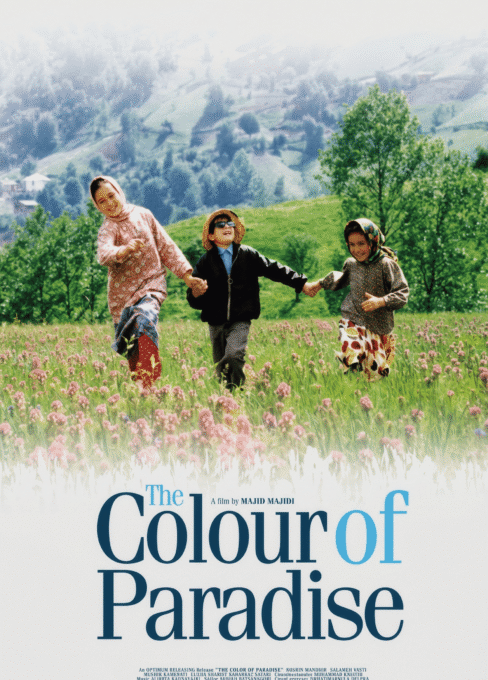
Historical Context and Cinematic Legacy: Iran has a long tradition of socially conscious cinema centered on children — a tradition Majidi himself helped define with Children of Heaven (1997) and The Color of Paradise (1999). Sun Children arrives over two decades later, in a moment of intensified global attention to child labor and urban poverty, and carries the accumulated weight of that lineage. Where his earlier films leaned toward lyrical tenderness, this film is harder-edged, closer to neorealism than fable. It reinforces Majidi's position as a filmmaker for whom children are never symbols or metaphors, but complete human beings navigating a world not built for them — and it extends Iranian cinema's international relevance into the 2020s.
You cannot copy content of this page

It's free. No subscription required