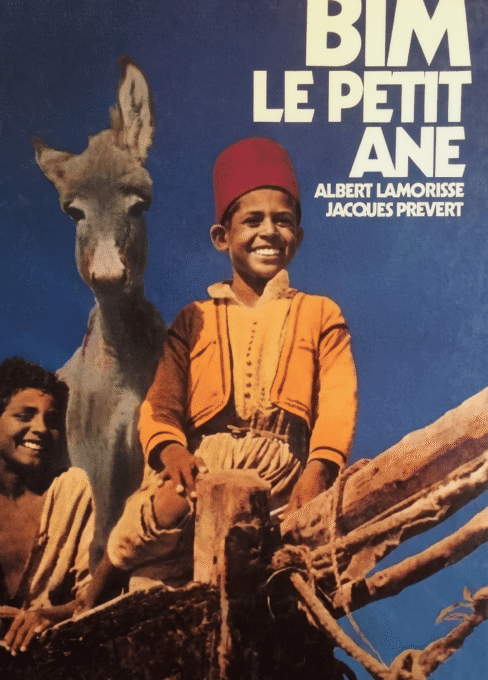
Synopsis and Main Themes: On the Tunisian island of Djerba, a poor boy named Abdallah shares everything with his donkey, Bim — the most beautiful animal on the island. When Massoud, the spoiled son of the local governor, steals Bim out of envy and subjects him to humiliation and cruelty, Abdallah sets out to save him. The film turns on the contrast between poverty and privilege, cruelty and tenderness — and on the bond between a child and an animal as the purest form of loyalty the world can offer.
About the Director and Cinematic Style: Albert Lamorisse trained as a photographer before turning to filmmaking, graduating from France's national film school IDHEC in 1945. Bim is his first fiction film, and it already contains everything that would define his work: minimal dialogue, storybook narration, non-professional child performers, and an extraordinary capacity to film animals as if from the inside of their experience. Shot entirely on location on the island of Djerba with natural light and local inhabitants, the film carries the texture of documentary while sustaining the emotional weight of a fable.
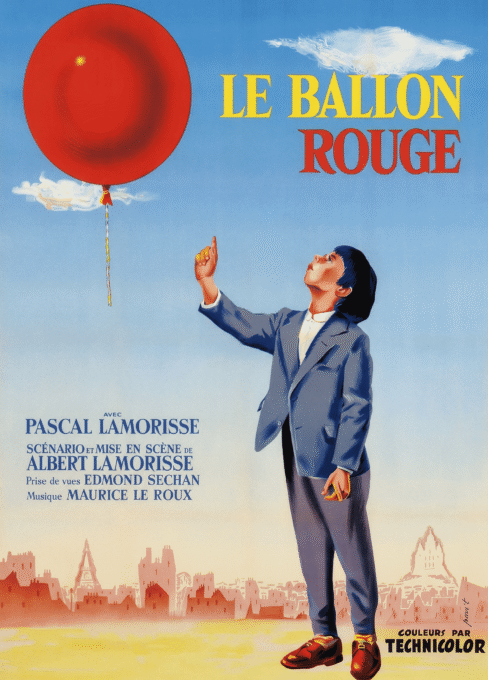
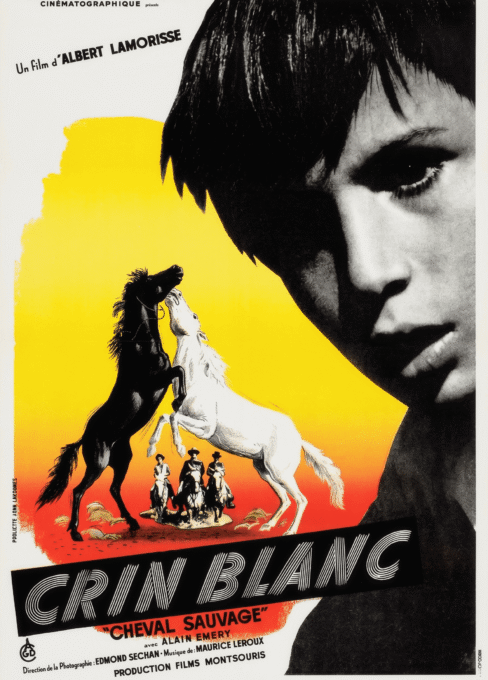
Critical Reception and Impact: Bim was selected for competition in the short film section of the 1951 Cannes Film Festival, a significant recognition for a debut fiction work. The film did not receive a prize at Cannes, but its selection placed Lamorisse among the most promising voices in French short filmmaking of the postwar period. Critical attention at the time was modest; the film's reputation grew gradually, in the wake of the international success of White Mane (1953) and above all The Red Balloon (1956), which won the Palme d'Or at Cannes and the Academy Award for Best Original Screenplay — the only short film ever to receive that honor.
Historical Context and Cinematic Legacy: Bim appeared at a moment when French short cinema was undergoing a quiet renewal, shaped by the influence of Italian neorealism and the documentary tradition of Vigo and Flaherty. Lamorisse absorbed these influences without imitating them — his films are fables, not documents, but fables rooted in real landscapes, real children, and real animals. The collaboration with Jacques Prévert, one of the defining voices of French poetic realism, gave Bim a literary register that lifted it above the illustrated children's story it might otherwise have remained. For decades the film circulated in French schools alongside White Mane and The Red Balloon, forming a kind of unofficial trilogy of childhood and loss. Lamorisse died in a helicopter crash in Iran in 1970, at forty-eight, while shooting a documentary — leaving behind a body of work small in volume but singular in its vision of the world seen through a child's eyes.
You cannot copy content of this page

It's free. No subscription required