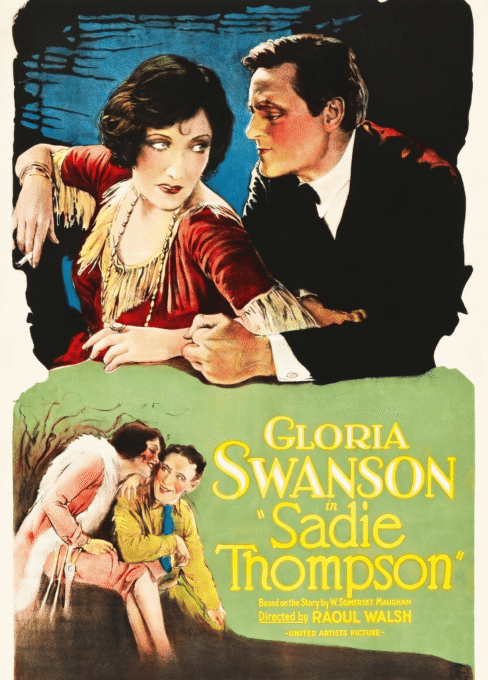
Synopsis and Main Themes: Sadie Thompson arrives on the South Pacific island of Pago Pago with a troubled past she is trying to leave behind. She finds an ally in Sergeant Timothy O'Hara, a Marine unfazed by what she has been, and a nemesis in Alfred Davidson, a puritanical reformer determined to have her deported back to San Francisco. The film turns on the collision between desire and repression, mercy and judgment — and on the question of who has the right to decide another person's fate.
About the Director and Cinematic Style: Raoul Walsh had been making films since the early silent era, with a breakthrough as director on The Thief of Bagdad (1924). For Sadie Thompson he took the unusual step of also playing the male lead, Sergeant O'Hara — a role that gave the film an earthy, unguarded energy difficult to achieve through direction alone. Walsh's approach is direct and unsparing: close attention to performance over spectacle, with Gloria Swanson given space to build a character of genuine moral complexity rather than mere melodramatic type.
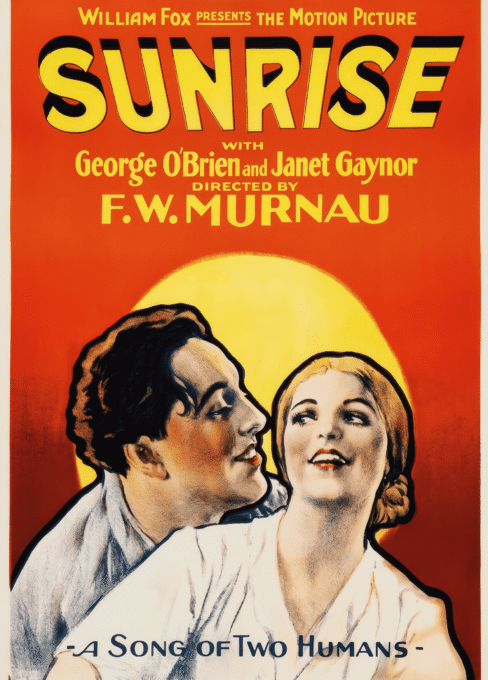
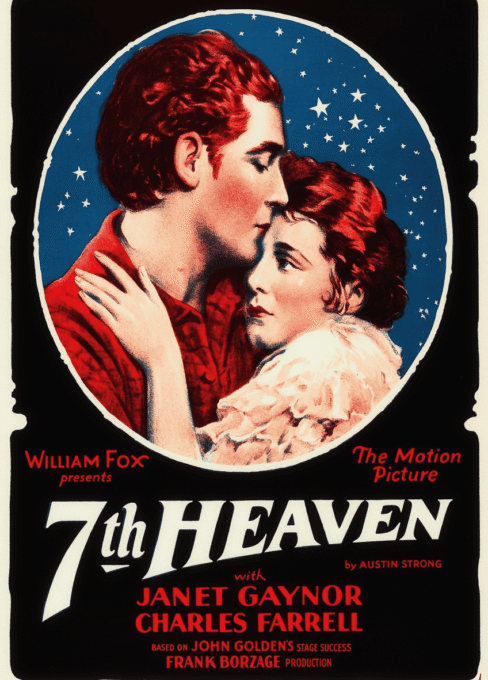
Critical Reception and Impact: The film was well received upon release and confirmed Gloria Swanson's standing as one of the most powerful performers of the silent era. At the first Academy Awards ceremony in 1929, Swanson received a nomination for Best Actress — the prize going to Janet Gaynor for 7th Heaven — and cinematographer George Barnes received a nomination for Best Cinematography, covering his work on three films that year, including Sadie Thompson. The film is considered the finest of the several adaptations of Somerset Maugham's story.
Historical Context and Cinematic Legacy: Somerset Maugham's short story "Miss Thompson," first published in 1921, had already been adapted for the stage as Rain before Walsh brought it to the screen. Censorship pressures of the era forced a significant change: Davidson, a clergyman in Maugham's original, was rewritten as a lay reformer to satisfy the Hollywood industry's self-regulatory body, known as the Hays Office — a compromise that nonetheless left the story's critique of moral hypocrisy intact. Sadie Thompson arrived at the end of the silent era, and Swanson's performance stands as one of its definitive achievements. The film survives incomplete — its final reel was long considered lost, with surviving prints pieced together from production stills and intertitles — turning the absence of an ending into an unexpected form of endurance. Swanson would carry the memory of these years into her greatest role, Norma Desmond in Sunset Boulevard (1950), a performance inseparable from what she had built in the silent era.
You cannot copy content of this page

It's free. No subscription required