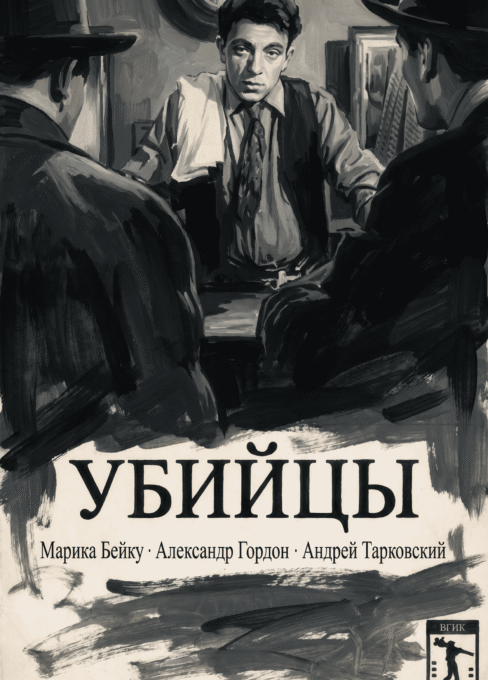
Synopsis and Main Themes: Two hired killers in black coats arrive at a small-town diner, tie up the staff, and wait for their target — Ole Andreson, a former boxer who seems to already know his fate. When Nick Adams, a young diner regular, warns the man, he finds only passive resignation: Andreson has chosen not to run. At the heart of this taut nineteen-minute adaptation lies the confrontation between violence and indifference, the weight of a life already surrendered, and a moral helplessness that no act of warning can resolve.
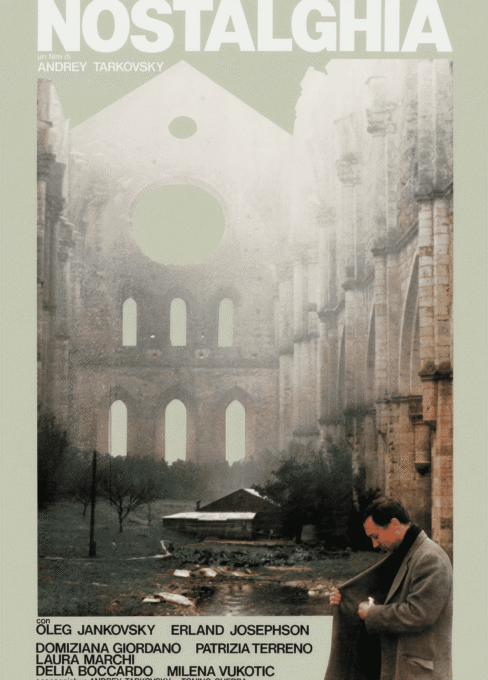
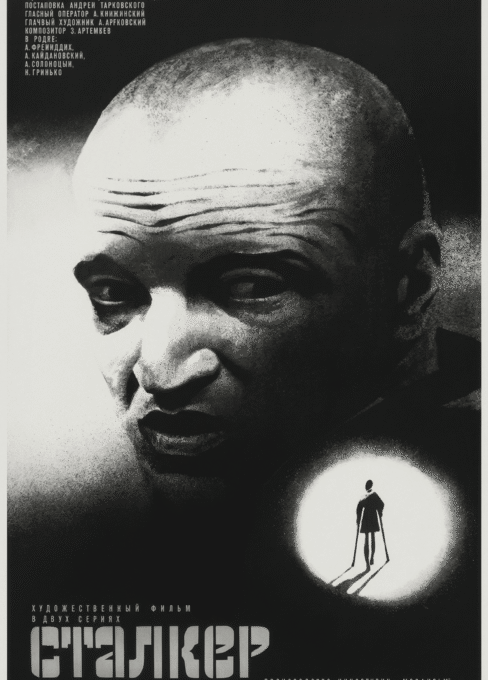
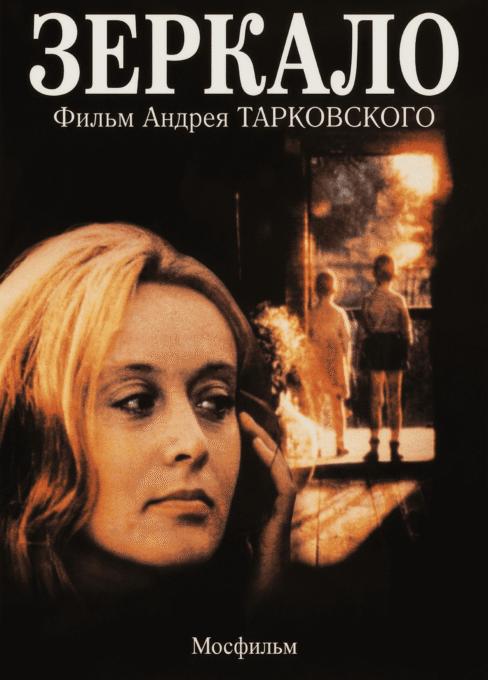
About the Director and Cinematic Style: Born in 1932, Andrei Tarkovsky enrolled at VGIK in 1954 under the mentorship of Mikhail Romm. The Killers was his first film, co-directed with Greek exile Marika Beiku (1925–2011) and classmate Aleksandr Gordon. Shot entirely in a studio-built diner with borrowed props, the film already displays Tarkovsky's instinct for extended static compositions, deliberate pacing, and tension built through restraint rather than movement — formal qualities that would define his entire career.
Critical Reception and Impact: The Killers received no public release at the time of its making, remaining an internal school exercise screened within VGIK. Mikhail Romm praised it significantly — a meaningful endorsement from one of Soviet cinema's most respected directors. The film carried no festival prizes or nominations. Its critical life began decades later, when scholars recognized in it the nascent formal intelligence of a filmmaker who would become one of cinema's defining voices.
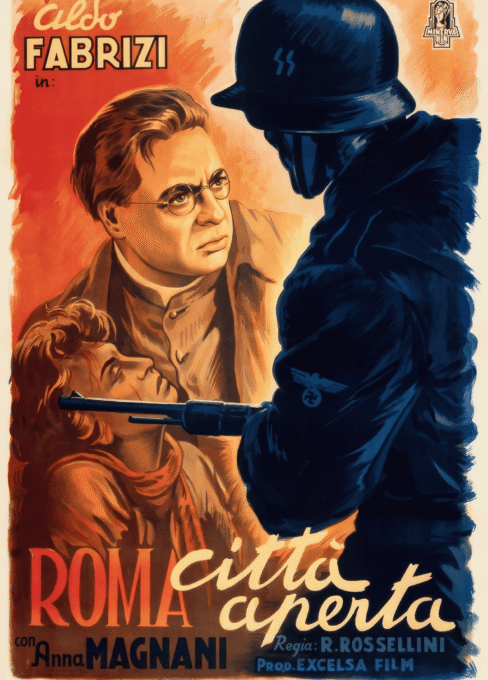
Historical Context and Cinematic Legacy: Made during the early Khrushchev Thaw, The Killers was the first student film at VGIK ever approved for adaptation from a foreign literary work — Hemingway's stories had only just appeared in Russian for the first time in 1956. The choice itself was an act of quiet audacity: a tale of moral fatalism, amoral violence, and individual helplessness ran against every principle of Soviet socialist realism. Scholars have since traced in the film clear influences of Italian neorealism — visible in its sparse staging and refusal of ideological resolution — alongside the seeds of Tarkovsky's later preoccupation with time, stillness, and existential weight. The average shot length here, at approximately seventeen seconds, nearly matches that of Ivan's Childhood six years later, suggesting that even as a student Tarkovsky was already developing his distinctive temporal grammar.
You cannot copy content of this page

It's free. No subscription required